Parallel Imports vs. Authorized Imports | What to Check Before Buying
Parallel Imports: Buying Tips
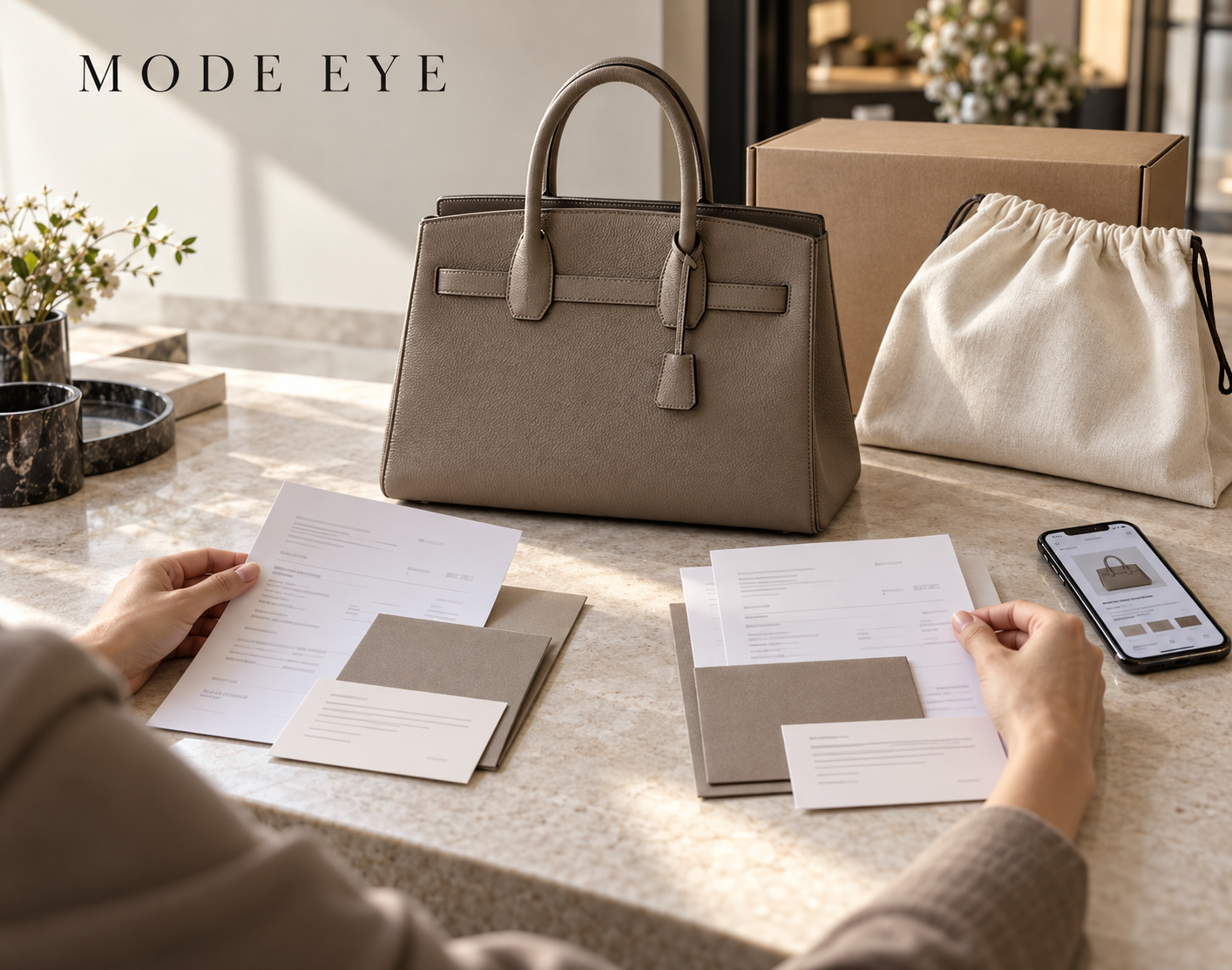
When shopping for luxury goods in Japan, you may encounter products described as “parallel imports” or “authorized imports.” The main distinction is the import and distribution route. Warranty and repair arrangements also depend on the brand, seller, and individual product.
Before buying, compare the item and the purchase terms—not just the price.
The Main Difference Is the Distribution Route
Authorized imports enter Japan through a brand’s designated channels, such as its Japanese subsidiary or authorized distributor.
Parallel imports are brought in by a third party outside that designated import route. The term describes a distribution channel; it does not, by itself, mean that an item is counterfeit. Reference: AACD — Parallel Import Guide, Japanese
A “Parallel Import” Label Does Not Establish Authenticity
A seller’s description is not proof that an item is genuine. Check the seller’s identity and the product information rather than relying on the label alone. Japan’s National Consumer Affairs Center notes that assessing authenticity is not straightforward, including for goods advertised as parallel imports. Reference: National Consumer Affairs Center, Japanese
In Japan, the trademark treatment of genuine parallel imports depends on conditions concerning lawful trademark application, the relationship between rights holders, and substantive quality equivalence. Not every overseas purchase falls into the same legal category. Reference: Japan Patent Office, Japanese
Check Who Provides the Warranty and Repairs
Distinguish a manufacturer or distributor warranty from a seller’s own warranty. Coverage may differ from that available through an authorized retailer.
Do not assume that every parallel import is ineligible for repair or that every authorized import qualifies for free service. Confirm:
Who provides the warranty.
Its duration and scope.
Where repairs are handled.
Who pays repair and shipping costs.
Which purchase documents are required.
Warranty availability should be checked for the specific product. Reference: National Consumer Affairs Center, Japanese
Compare Like-for-Like Products and Total Costs
A parallel import may be offered at a lower price, but that is not guaranteed. Compare the model number, size, materials, color, accessories, new or pre-owned status, condition, and warranty terms.
Include any applicable shipping charges, taxes, and potential return costs when comparing the total price.
Review the Seller and Return Terms
Before paying, confirm the seller’s business name, address, contact details, dispatch location, and description of the import route.
Read the return conditions, contact deadlines, return address, and cost allocation. Keep the listing, order confirmation, receipt, and relevant correspondence. Ask what process and supporting evidence would be required if authenticity concerns arose.
Separate Authentication from Purchase Terms
Authenticity, distribution history, warranty coverage, and return rights are distinct questions. An authentication outcome does not automatically determine a refund or manufacturer warranty coverage.
MODE EYE offers online authentication applications using product information and photographs. Check eligibility, required images, and service conditions before applying. MODE EYE Online Authentication
This guide concerns purchases in Japan. Choose based on the item and the support available after purchase, as well as its distribution route.